 Your Best Pitch
The system your business actually runs on, built to fit it.
Most businesses run on a spreadsheet, three subscriptions that do not talk to each other, and one person who remembers how it all fits together. Sometimes off-the-shelf software is the right answer, and I will tell you when it is. When it is not, I build the thing that fits how you already work, and you own it outright.
A CRM built around your pipeline
Leads, follow-ups and jobs in one place, shaped like the way you actually sell rather than the way a software company guessed you might.
B2B ordering and accounts
Your trade customers log in, see their own prices, reorder, and pay — without a phone call or an emailed spreadsheet.
Internal tools for your team
Scheduling, job tracking, inventory, checklists. The thing your staff open every morning instead of a group text.
Client portals
One login where your clients see their documents, their invoices and where their job stands, so they stop calling to ask.
The same pieces a CRM is made of, running in public.
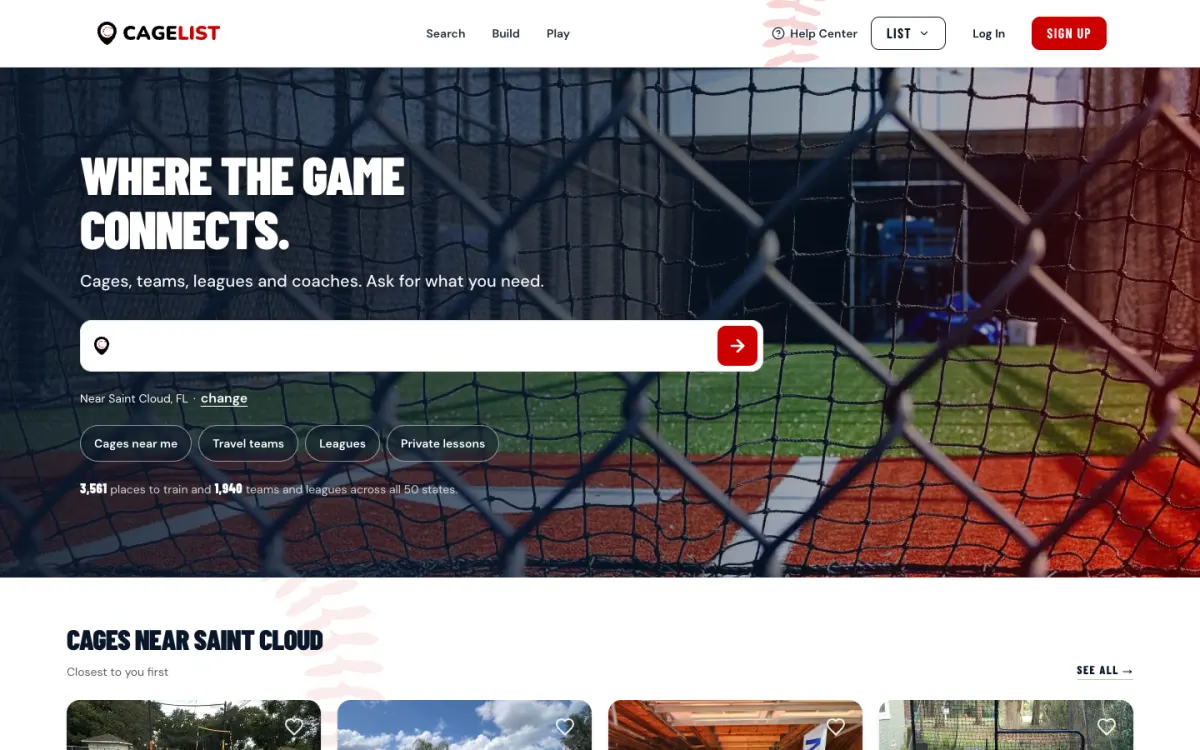
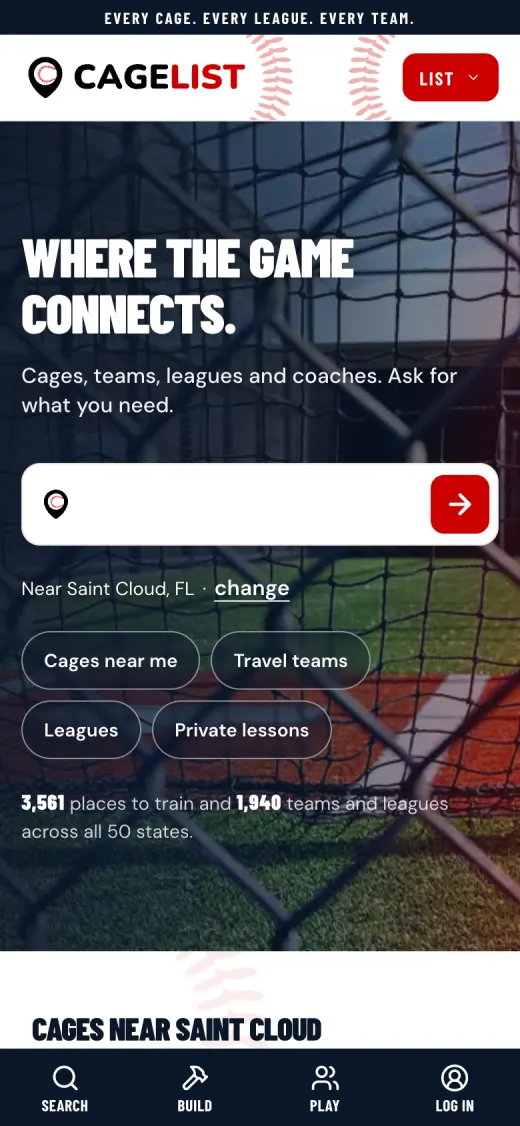
I have not built a CRM for a client yet, and I will not pretend otherwise. What I have built, alone, is CageList: a marketplace I launched and still run every day. It is made of the same parts a CRM is made of.
- Logins. Players and facility owners each have their own account, with sign-in handled by Supabase.
- Records. A real Postgres database, with row-level security on every table so each person sees only their own data.
- Payments. Players pay on the site and the money moves to the facility owner through Stripe Connect.
- The back end I run. Bookings, payouts, refunds and disputes all run through the system, and I handle them there every day.
It starts with a paid scoping step.
Software is too big to price off a 30-minute call, so the first step is a written plan: what it does, who uses it, what it connects to, what it costs and when it ships. That plan is $1,500, and if you go ahead with the build, every dollar of it comes off the price. If you do not, the plan is yours to keep and take to anyone.
Custom software builds start at $15,000, quoted after the scoping step.
A free 30-minute call
You tell me how the business runs today. I tell you honestly whether custom software, or something you can already buy, fits.
A written scope
What it does, who uses it, what it costs and when it ships, for $1,500. If you go ahead, that fee is credited to the build.
A fixed-price build
One price and its own launch date, both written into the scope before the build starts.
After launch, changes and fixes are $150 an hour, or I can quote a monthly support plan alongside the build if you would rather have it covered.
- A fixed price, written into the scope before the build starts
- A launch date of its own, written into the same scope
- Your accounts, your code, your data — handed over, not rented back to you
- One person from the first call to the support email a year later
Sometimes the right answer is software you can already buy.
If a tool already exists that does what you need for a few dollars a month, I will tell you on the first call and you will not need the scoping step at all. Custom software earns its price when the off-the-shelf version makes your team work around it every day, or when the thing you need does not exist yet.
No account managers and no hand-offs. One person from scoping to support.

Tell me what you are trying to build.
The form takes about ten minutes. I read every one myself and reply the same day.
Find me on LinkedIn